
THE PLACEMENT PROCESS
Understanding the placement process and what the coaches are balancing when deciding teams.
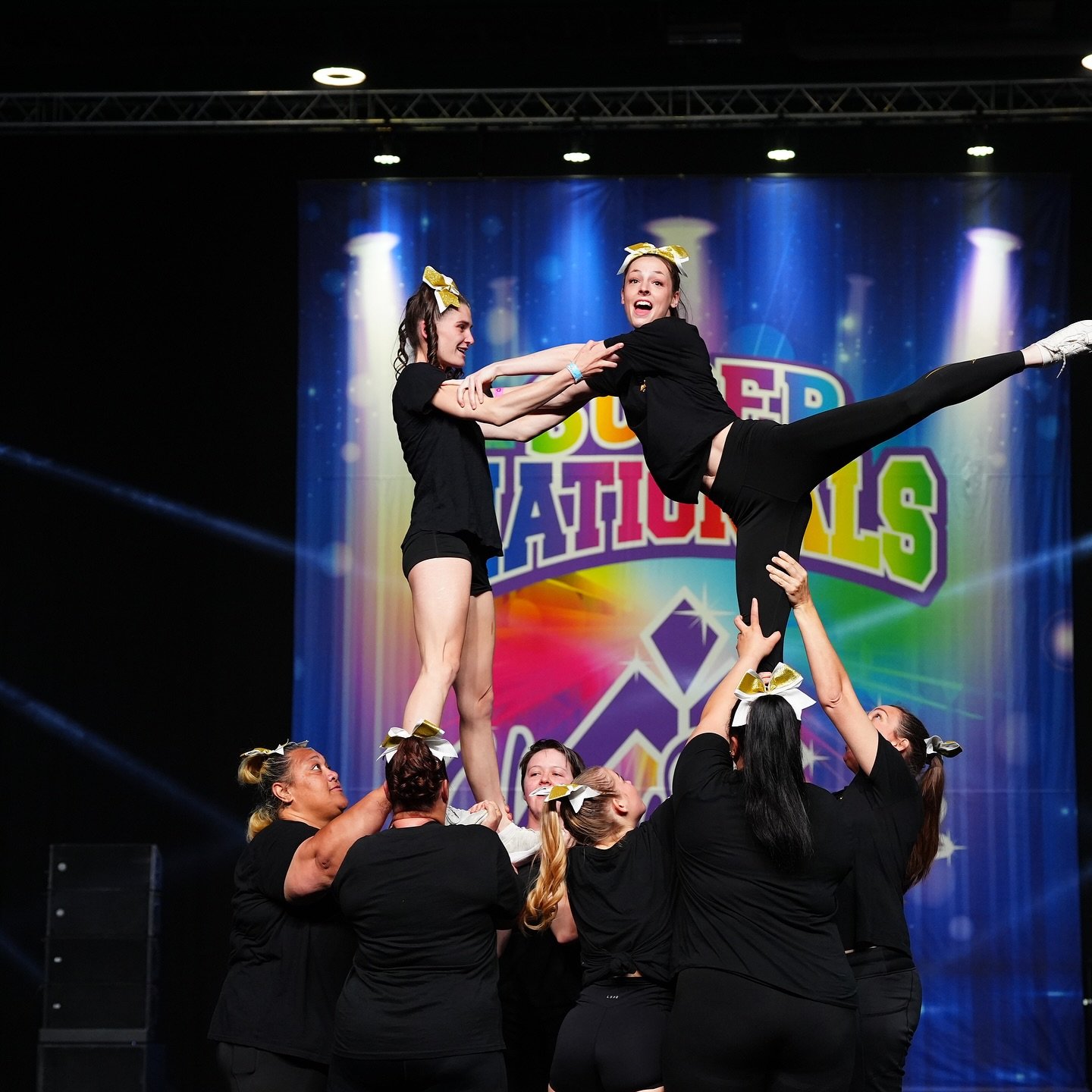
Parents… We know cheer team placements are confusing!
We thought in leading into the 2027 placement season we wanted to give our families a better understanding into what coaches and gym owners are balancing when creating and making teams.
We know all athletes want to move up and want to be on a higher team! Our goal is to get them there however cheer development is often not linear and take into consideration a wide range of skills, scoring and perspective.
The Levels & Age Grid
Internationally, cheerleading is structured into Levels 1-7, with these levels being recognized and used across the world. Alongside this we also have an age grid to ensure athletes are training in age appropriate teams.
Tiny - Ages 3-6 Years
Mini - Ages 3-8 Years
Youth - Ages 6-12 Years
Junior - Ages 8-14 Years
Senior - Ages 11-18 Years
Open - Ages 14+
Adult - 18+
In New Zealand we are allowed a maximum of 2x Out of Age Athletes per team.
Each level is the same level across all ages. So for example a Youth level 2 and Senior Level 2 have the same skills however it is the ages of athletes on that team that will differ.
Each level is designed to build upon the skills, fundamentals, and knowledge developed in the level before it, creating a clear pathway for athlete progression.
In New Zealand, we also have Cheersport divisions, which can be compared to a grassroots participation pathway. These divisions provide a more financially attainable option for athletes and families while still offering competitive opportunities. Alongside this, we have Novice, which serves as the entry point into competitive cheerleading and introduces athletes to the foundations required for higher levels.
The majority of the cheerleading industry in New Zealand and Australia sits between Novice and Level 4, with relatively few clubs offering established Level 5 and Level 6 programmes.
There are also variations within the level system that allow athletes and teams to progress at different rates. For example:
NT (Non-Tumble) divisions include all aspects of cheerleading except tumbling.
Level 4.2 combines Level 4 stunts with Level 2 tumbling.
These divisions exist because athlete development is rarely identical across all skills. We often see athletes progress more quickly in stunting than tumbling, or vice versa. On an international scale, these divisions also allow countries and programmes with limited access to specialised equipment, such as sprung floors and advanced training facilities, to continue participating and progressing within the sport.
Understanding these pathways is important as we begin planning for 2027. Team placements are not determined solely by an athlete's age or experience but also by ensuring they are placed in an environment that best supports their development, confidence, safety, and long-term success within the sport.
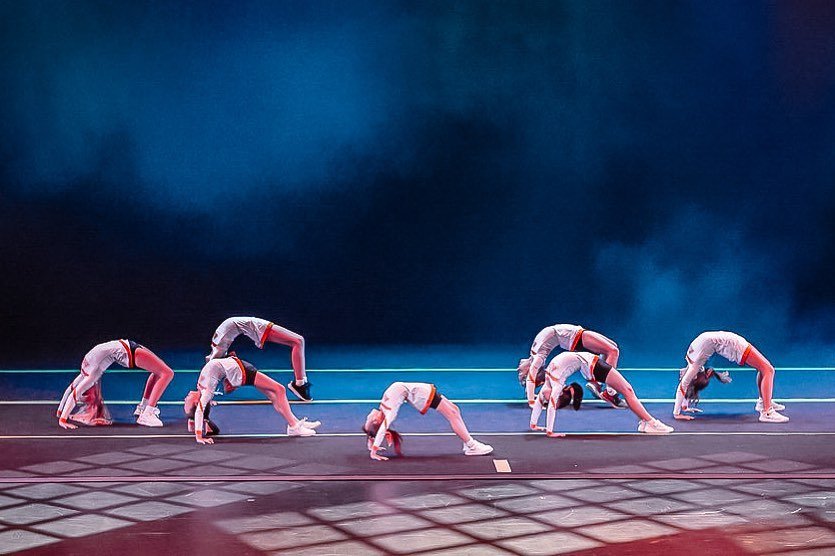
Alpha Team Development & Cycles
As a gym owner, and based on what we commonly see across the cheerleading industry, team development often follows a three-year cycle within a level:
Year 1: Athletes enter a new level and experience significant growth and adaptation.
Year 2: Athletes build confidence, consistency, and begin maximising scoring opportunities.
Year 3: Athletes typically begin mastering the skills and expectations of that level.
This season, most of our teams were in the third year of their development cycle. This was a key reason for introducing Next Gen, which provided athletes with opportunities to develop new skills while continuing to build confidence and mastery within their current level.
As many athletes reach the end of this cycle, we expect to see movement across teams and levels in 2027. While development opportunities such as Next Gen have traditionally focused on skills from the next level up, we are currently reviewing all athlete pathways to ensure they continue to support safe, sustainable, and successful progression.
We recognise that athletes entering a new level often need time to establish strong fundamentals before progressing to more advanced skills. For this reason, technical execution, consistency, and skill mastery will remain a key focus.
With anticipated scoresheet changes for 2027, we also expect to see an increased emphasis on stunt execution, technique, and tumbling standards across both New Zealand and Australia. Team placements and development opportunities will therefore be carefully considered to ensure every athlete is challenged appropriately and given the best opportunity for long-term success.

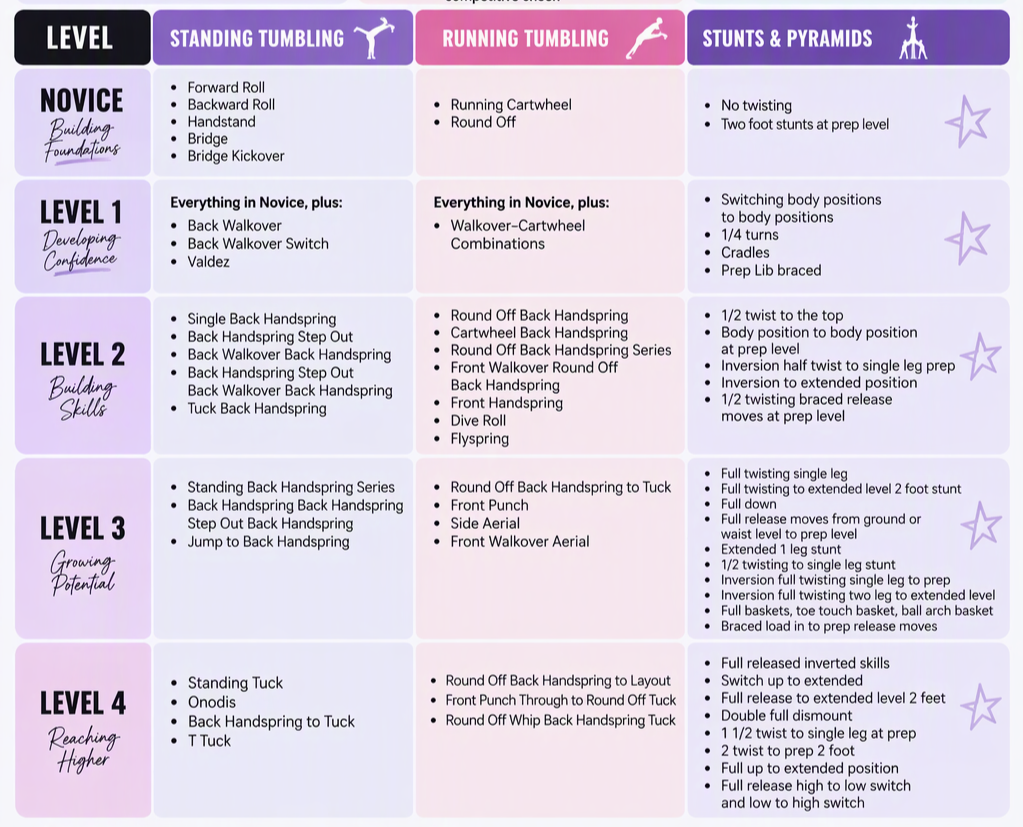
What skills are needed at which levels?
For tumbling, our scoresheet places a greater emphasis on standing tumbling than running tumbling. This is because teams are required to execute a range of standing tumbling skills as a group rather than relying on individual athletes performing standout passes.
As a result, standing tumbling will be weighted more heavily within our athlete assessment and team placement process. Our focus is not solely on whether an athlete can land a skill, but whether they can consistently demonstrate the technical understanding, body control, and execution required to perform that skill safely and effectively.
Athletes must demonstrate:
Strong technical execution
Correct body shapes and positions
Consistency and reliability
Adequate strength and stamina
The ability to perform the skill under pressure and within a team setting
Landing 1 skill without the correct technique, body positions, or control would not generally be considered "at level".
It is also important to note that our competition scoresheet outlines the minimum number of tumblers required based on the overall size of the team. Therefore, team success is often driven by depth across the whole roster, rather than a small number of athletes performing higher-level skills.
Outside the level skills what are we looking for?

Synchronisation
Athletes who can stay in time with their team and Mirror their peers.
Competition scoresheets require athletes to be a carbon copies of each other in the timing, entries, exits and how we perform skills.
There are often a range of ways to perform the same skill but will be one way the coach has choreographed the skill. When performing skills athlete personal preference comes second and team preference must be prioritized.
In the 2026 season it was apparent that when we did not place it came down to athletes prioritising preference and their own counts over team execution and timing.
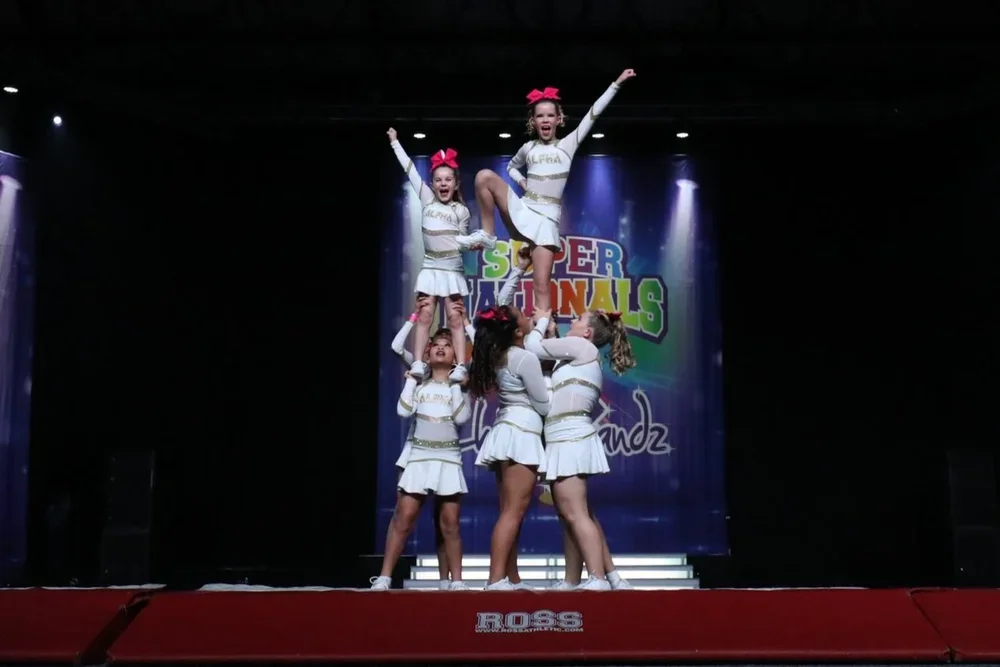
Performance
Controlled, Confident Execution of Choreography. A smile and a hair whip is not enough.
Motions are consistent and followed through every time. Athletes should be able to perform motions and facials without coaches help.
For routines athlete performance, motions and dance execution is worth 30% of their scoresheet. So whilst having skills is important, the performance aspect is heavily considered.
Athletes who are unable to meet standards will drop the teams overall score.

Mindset & Work Ethic
Athletes need to be hungry for development and self motivated to be better.
Teams that go above and beyond the bare minimum are teams that exel.
Ahletes must have the ability to pick up on choreography quickly and remember counts and movements.
Athletes need to be able to take and make corrections when given.
These are athletes who don’t have time to make excuses and can take on feedback. That actively listen and make corrections.
There is nothing more frustrating then someone who takes to long to make the correction.

Flyer Flexibility & Stage Presence.
Flyers must have a range of flexibility and stability in both legs.
They must be able to pull a range of body positions in the air without hesitation. Good flyer form will be a large determiner for athletes wanting a flyer spot.
Flyers must be brave and fearless, open to giving stunts ago. Without flyer willingness this halts team and stunt group progression.
Additionally flyers must demonstrate good posture and the ability to engage the correct muscles consistently whilst maintaining performance in the air. Our flyers are the sales and marketing team of the stunts and pyramid sections on the score sheet.
Athlete Adaptability
Athletes must be flexible & adaptable to whatever position the team needs. We all have our preference but athletes who develop faster and who are given more opportunities are athletes that can and are willing to do whatever the team or club needs from them.
Athlete Availability
In 2026 we saw a massive increase in extra trainings across all teams. Many of these trainings were out of our pocket due to poor athlete attendance. Attendance will be a big indicator in the 2027 season.
Non Tumble Positions on Tumble teams?
We have had a lot of questions surrounding our non tumble positions. These positions are available but are the most competitive positions on the team.
Question 1: How many non tumble positions are available per team.
Whilst the final number is determined by the number of athletes on the team. We will aim to have at least 2 per team.
Question 2: What are you looking for in a base to get one of these positions?
Stunt technique that is fundamentally sound. Athletes that can make a stunt hit regardless of the group make up.
Question 3: What can I do to further my chances of getting a Non tumble spot?
Great attitude, hard working, no complaining, no talking back to coaches, great fitness and willingness to engage in becoming stronger and fitter.
The ability to take and make corrections.
Question 4: I can hit the stunts at that level with a specific group or Flyer. Can I try out with that stunt group?
With small teams you are often required to do more then one position with multiple flyers & groups, Non tumble athletes must be adaptable and should be able to make it work in any group. So whilst you can show some skills with that group you would be expected to show the same skills with other athletes and groups.
Question 5: I am bored of the level I am in and want to move up but don’t have the tumble. What are my options?
Depending on numbers or capacity we may look into Next Gen in 2027 or stunt groups to help athletes develop the higher level stunts. Tumble classes need to be engaged with. Attending cannot be the only attend but need to actively engage with the tumbling drills to help develop their understanding of skills.
For Athletes that are 16 and over they could be considered for level 3 non tumble however this needs to be explicit on tryouts. Please note that athletes are required to be strong as they will be stunting athletes their size and height.
“The strength of the team is each individual member. The strength of each member is the team.”
― Phil Jackson